

السلام عليكم ورحمه الله وبركاته
نقاط مهم يجب على كرياكوس الرد عليها وتفحصها جيدا
اولا : هناك اختلافات واضحه بين القصتين لا يجب التنازل عنها.
The secrecy factor surrounding the birth. In Exodus it is quite clear why the secrecy is needed: Moses is in serious danger of being killed. Sargon's story gives no reason for the secrecy, but the social background explains it: As a high priestess, Sargon's mother had to avoid pregnancy to hold her office. Such high priestesses were normally members of the royal house, and hence Sargon had a claim to royalty.
There was nothing about Moses' mother that would stand as a parallel, though his father's descent from Levi has some significance. Therefore the secrecy touchpoint bears the hallmark of a coincidence: It is one point out of many, and the rest do not match; they make sense in each case within a composite whole that makes borrowing unlikely either way.
In addition, Sargon's unknown father indicates an illegitimate birth [42] which is again not paralleled in Exodus.
The placing in a reed basket, covered with bitumen. Bitumen or pitch would of course be needed to seal any basket set afloat on a river. In the Moses account, we have a logical reason for the basket [Gispen, commentary on Exodus]: Such a basket would easily be taken for the sort that was attached to Egyptian ships to carry idols. This was designed to attract attention from the Egyptians.
On the other hand, the verb describing the actions of Sargon's mother means to throw or cast down, and has the secondary sense of "to abandon." [46] Her actions were not intended to lead to Sargon being discovered, as may be further seen in the next point.
The setting in a river. Note well that Sargon is abandoned to the current, whereas Moses is set among reeds. Foundlings were typically left in places of danger [53]. In Moses' case we have exactly the opposite: the gambit is designed to get him out of danger. It may be noted in reply, though, that Sargon's mother clearly did intend for him to live for a while, for otherwise she would not have placed him in a caulked basket.
The recovery and adoption. The adoption of Sargon itself is not unusual. Mesopotamian practice of adopting a son and heir, including one that was a foundling, was not uncommon [50]. On the other hand, some commentators suggest that Pharaoh's daughter easily took Moses in because her dipping into the river signified a fertility rite -- and she could easily suppose that Moses was an "answer to prayer."
ثانيا: هناك احتمال ان المذكور في القصه هو سرجون الثاني
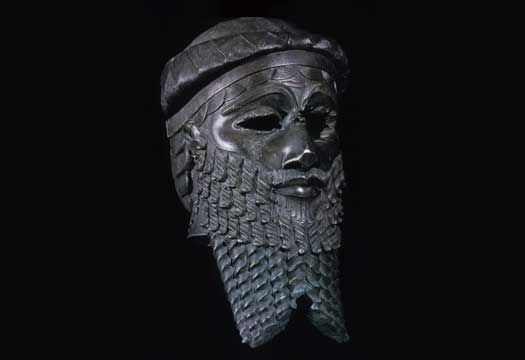
Lewis offers the suggestion that the story was written in the reign of Sargon II, a much later king who was possibly a usurper, to legitimate his own rule. Some similarities to the reign of Sargon II (721-705 BC) may be suggested. For example, Sargon I claims the conquest of Tilmun as a major conquest. But contact with Tilmun seems to have been limited -- it is mentioned only once before Sargon II. Sargon II boasts of Tilmun in his time sending tribute
ثالثا: ردا على خزعبلاتك (لو مفيش هتجيبولنا المعيار اللي يعرفنا ايهما حرفه عزرا وايهما لم يحرفه وطبعا مش القرأن لان القرآن هو حجة على من يؤمن به فقط) احب ان اوضح لك ان القران كتاب يحتج به ولا يحتج عليه وحجه لما قبله وهذا ما حصل مع البروفيسور موريس بوكاي - من كان يصدق ان فرعون مات غريقا واين ذكرت هذه المعلومه في غير القران !!
نقاط مهم يجب على كرياكوس الرد عليها وتفحصها جيدا
اولا : هناك اختلافات واضحه بين القصتين لا يجب التنازل عنها.
The secrecy factor surrounding the birth. In Exodus it is quite clear why the secrecy is needed: Moses is in serious danger of being killed. Sargon's story gives no reason for the secrecy, but the social background explains it: As a high priestess, Sargon's mother had to avoid pregnancy to hold her office. Such high priestesses were normally members of the royal house, and hence Sargon had a claim to royalty.
There was nothing about Moses' mother that would stand as a parallel, though his father's descent from Levi has some significance. Therefore the secrecy touchpoint bears the hallmark of a coincidence: It is one point out of many, and the rest do not match; they make sense in each case within a composite whole that makes borrowing unlikely either way.
In addition, Sargon's unknown father indicates an illegitimate birth [42] which is again not paralleled in Exodus.
The placing in a reed basket, covered with bitumen. Bitumen or pitch would of course be needed to seal any basket set afloat on a river. In the Moses account, we have a logical reason for the basket [Gispen, commentary on Exodus]: Such a basket would easily be taken for the sort that was attached to Egyptian ships to carry idols. This was designed to attract attention from the Egyptians.
On the other hand, the verb describing the actions of Sargon's mother means to throw or cast down, and has the secondary sense of "to abandon." [46] Her actions were not intended to lead to Sargon being discovered, as may be further seen in the next point.
The setting in a river. Note well that Sargon is abandoned to the current, whereas Moses is set among reeds. Foundlings were typically left in places of danger [53]. In Moses' case we have exactly the opposite: the gambit is designed to get him out of danger. It may be noted in reply, though, that Sargon's mother clearly did intend for him to live for a while, for otherwise she would not have placed him in a caulked basket.
The recovery and adoption. The adoption of Sargon itself is not unusual. Mesopotamian practice of adopting a son and heir, including one that was a foundling, was not uncommon [50]. On the other hand, some commentators suggest that Pharaoh's daughter easily took Moses in because her dipping into the river signified a fertility rite -- and she could easily suppose that Moses was an "answer to prayer."
ثانيا: هناك احتمال ان المذكور في القصه هو سرجون الثاني
Lewis offers the suggestion that the story was written in the reign of Sargon II, a much later king who was possibly a usurper, to legitimate his own rule. Some similarities to the reign of Sargon II (721-705 BC) may be suggested. For example, Sargon I claims the conquest of Tilmun as a major conquest. But contact with Tilmun seems to have been limited -- it is mentioned only once before Sargon II. Sargon II boasts of Tilmun in his time sending tribute
ثالثا: ردا على خزعبلاتك (لو مفيش هتجيبولنا المعيار اللي يعرفنا ايهما حرفه عزرا وايهما لم يحرفه وطبعا مش القرأن لان القرآن هو حجة على من يؤمن به فقط) احب ان اوضح لك ان القران كتاب يحتج به ولا يحتج عليه وحجه لما قبله وهذا ما حصل مع البروفيسور موريس بوكاي - من كان يصدق ان فرعون مات غريقا واين ذكرت هذه المعلومه في غير القران !!



 احسنت
احسنت 



Comment